
DPE, energy renovation and sales: what you need to know in 2026


In 2026, the DPE (diagnostic de performance énergétique) is more than ever a central criterion in the sale of real estate. It’s more than just a piece of information: it’s a real lever for increasing value… or negotiating.
The reform of the DPE calculation, which comes into force on January 1, 2026, changes one key point: the electricity conversion coefficient is reduced from 2.3 to 1.9. As a result, some homes heated with electricity can improve their energy label without any work. It is estimated that almost 850,000 homes could thus move out of the F and G classes.
For sellers, the stakes are strategic: a better DPE often means a quicker sale, with less negotiation. On the other hand, thermal flats are still heavily penalized, with discounts of up to 15% compared with a D-rated property.
👉 In 2026, the question is clear: should we sell now or wait for an improvement in the ECD?
To remember
- The ECD has a direct impact on price and speed of sale
- The 2026 reform can improve certain labels without work
- F and G units remain the most discounted
- Energy audit mandatory for E, F and G classes
- Collective ECD becomes essential in condominiums
Why ECD has become a decisive criterion in 2026
Today, the DPE is one of the first filters used by buyers.
A poor ranking can :
- Reduce the visibility of an ad
- Putting the brakes on visits
- Generate significant negotiation
- Longer sales lead times
Conversely, a good DPE is immediately reassuring. It gives a clear picture of the property’s energy consumption and thermal comfort.
👉 In practice, energy performance has become a decision-making criterion, on a par with location or price.
Changes to ECD calculations in 2026
The 2026 reform is based on a technical adjustment, but with concrete consequences.
➡️ Electricity conversion coefficient reduced from 2.3 to 1.9
This means that :
- Electrically heated homes are less penalized
- Their consumption is better valued in the calculation
- Their label can be improved automatically
👉 This means that some properties can change energy class without any work, which can transform their attractiveness on the market.
Should you sell before or after the 2026 ECD reform?
This is the real dilemma for many homeowners.
Waiting can be interesting if :
- The property is heated by electricity
- The ECD is close to a class change
- Improvement likely without work
Selling quickly is still relevant if :
- The property remains classified F or G despite the reform
- Major work required
- The local market is currently favourable
👉 The right thing to do: have your ECD recalculated before putting it up for sale.
At La Crèmerie Immobilier, this analysis is part of the support we provide: understanding the real potential of a property before putting it on the market.
Which homes are most affected?
Not all properties are impacted in the same way.
Most concerned :
- Homes heated with electricity
- Older apartments
- E-, F- or G-rated properties
- Small surfaces
- Condominiums
In 2026, another point becomes key:
👉 Collective ECD is now mandatory for all condominiums, even the smallest.
This influences :
- Overall perception of the building
- Construction decisions
- Buyer confidence
Energy renovation: what work should be prioritized?
Not all work has the same impact on the ECD or on the value of the property.
The most effective are :
- Insulation (walls, roof, floors)
- Heating system replacement
- Improved ventilation
- Change of joinery
- Optimizing thermal control
👉 The aim is not to renovate everything, but to target high-impact actions.
Thanks to its architects and partners, La Crèmerie Immobilier supports its customers in :
✔ Definition of relevant work
✔ Choice of materials
✔ Coordination of craftsmen
✔ Site supervision
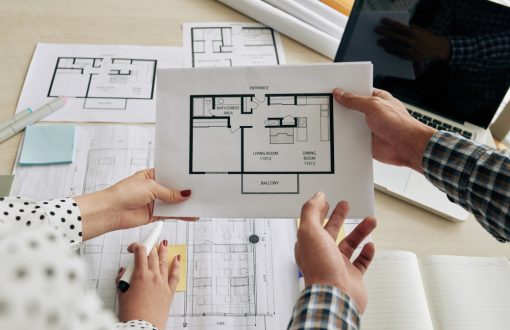
This is complemented by 2D and 3D plans and virtual tours to visualize the potential after renovation – a real lever for reassuring buyers.
Real estate sales: how to prepare your file
In 2026, selling a property requires a solid and transparent track record.
What to expect:
- Up-to-date ECD
- Energy audit (mandatory for E, F, G)
- Work estimates
- A strategy to enhance the value of the property
👉 The DPE informs, but the energy audit explains and projects.
A well-prepared file allows you to :
- Reassuring buyers
- Justify the price
- Speed up decision-making
This is precisely the approach of La Crèmerie Immobilier: combining technical expertise, sales strategy and projection tools to maximize property value.
Who wins with the ECD 2026 reform?
👉 The big winners are :
- Homes heated with electricity
- Properties close to an energy class threshold
- Owners who anticipate their diagnosis
👉 The most exposed remain :
- Passoires thermiques (F and G)
- Properties requiring major work
- Condominiums with a poor collective ECD
Things to remember for 2026
In 2026, the ECD is no longer a simple diagnosis: it’s a strategic tool for real estate development.
Anticipating your label, understanding the impact of the reform and preparing your property have become essential to selling in good conditions.
👉 Selling without integrating the ECD today often means leaving value on the table.
FAQ – ECD and real estate sales
Can the ECD really influence the sale price?
Yes, a poor ECD can result in a significant discount, often estimated at around 10-15%, whereas a good rating reassures and supports the price.
Will the ECD change automatically in 2026?
No, it doesn’t change automatically. You need to recalculate your diagnosis to benefit from the new calculation method.
Is an energy audit compulsory?
Yes, for homes rated E, F and G at the time of sale. It complements the DPE by proposing work scenarios.
What work improves the ECD the most?
Insulation and the heating system are the two main levers. They have the greatest impact on energy performance.
Is a collective ECD mandatory for condominiums?
Yes, by 2026, all condominiums will be concerned. This diagnosis is becoming a key factor in buyers’ decisions.